Diesel Locomotives & Traction

Find out about each of the diesel locomotives on the Watercress Line

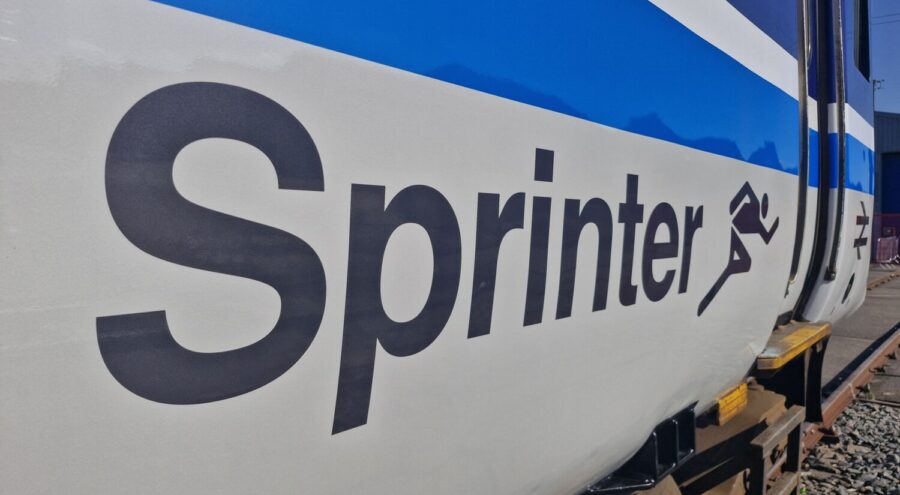
Class 150 ‘Sprinter’ Unit No. 150231

Status: Operational. First day in service at The Watercress Line – Sunday 15th February 2026 This year marks an exciting milestone for The Watercress Line as we welcome the first second-generation Sprinter Diesel Multiple Unit (DMU) into preservation: Class 150 No.150231. The unit has been generously donated by Porterbrook and represents a significant step in the story of modern railway preservation, bridging the gap between the historic and contemporary eras of rail travel. A New Generation of DMUsBy the early 1980s, British Rail faced the challenge of replacing its ageing fleet of first-generation DMUs built in the 1950s and 60s. Refurbishing the

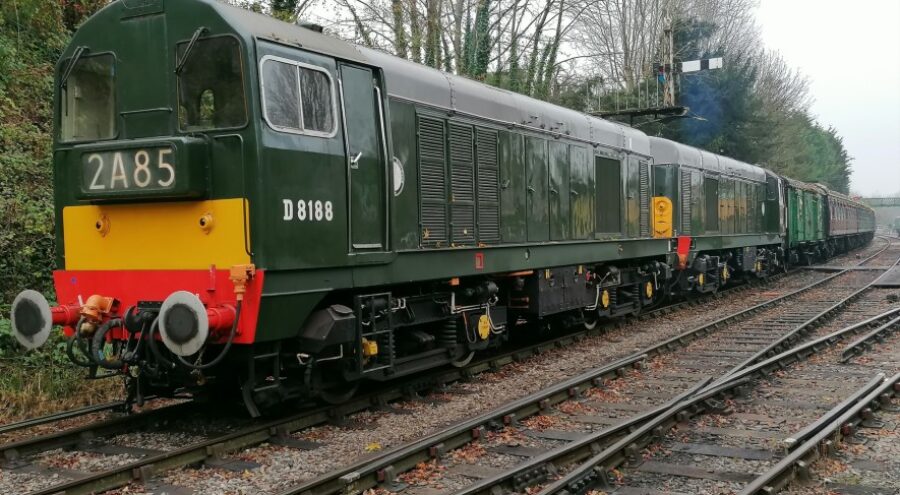
Class 20’s – D8059 & D8188

Status: Operational. With the publication of the British Railways Modernisation Plan came the planned withdrawal of steam traction on Britain’s railways. As a result, British Railways placed tenders with several locomotive manufacturers to produce diesel locomotives. As a result of this, the English Electric Company (EE) in 1957 at the Vulcan Foundry in Newton le Willows produced a batch of 20 English Electric Type 1s (or Class 20 locomotives as they would later become) for evaluation. The design was based on one which EE had designed for export and consequently proved extremely successful at home. The prototype batch was first allocated to

47579 – Class 47 ‘James Nightall GC’

British Rail had 512 Brush Type 4 locomotives built at both Crewe works and the Brush Works at Loughborough which were later became known as Class 47’s, which made them the most numerous class of mainline diesel locomotives on British Rail. They operated on all regions of the network, and some members of the class are still in mainline service today. 47579 “James Nightall GC” is on extended loan to us from its present base at the Mangapps Railway Museum, Burnham on Crouch, Essex. Originally D1778 was released to traffic in October 1964 and allocated to Tinsley Depot (Sheffield), the

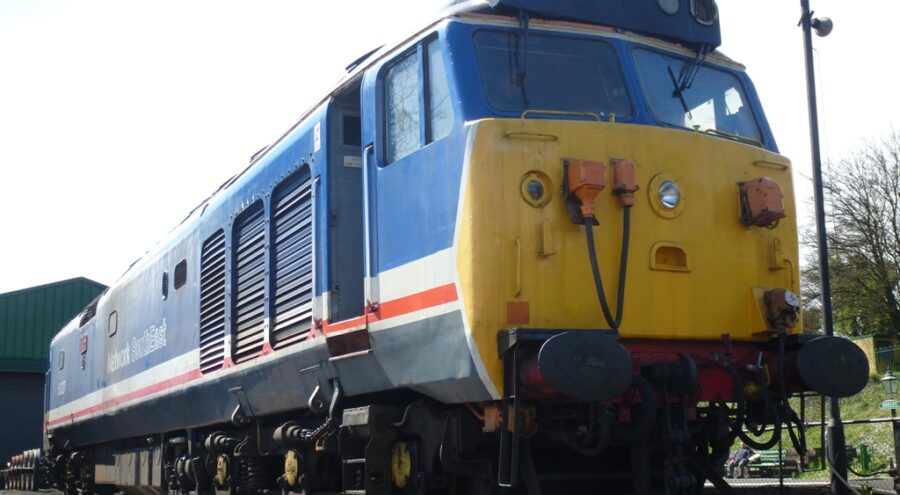
50027 – Class 50 ‘Lion’

Status: Operational. The fifty Class 50s – originally the ‘D400’ class were built by English Electric (EE) at its Vulcan Foundry Works near Newton-le-Willows in Lancashire, and introduced to service with British Rail in 1967/68. Producing 2,700bhp and capable of 100mph, the new locomotives were primarily used to haul West Coast Main Line (WCML) express passenger trains north from Crewe after investment for full electrification through to Glasgow was initially not authorised. Trains were electric-hauled as far as Crewe where diesels took over. The 28th built locomotive of the order – given the numbers 3797 by EE and D1168 by Vulcan Foundry

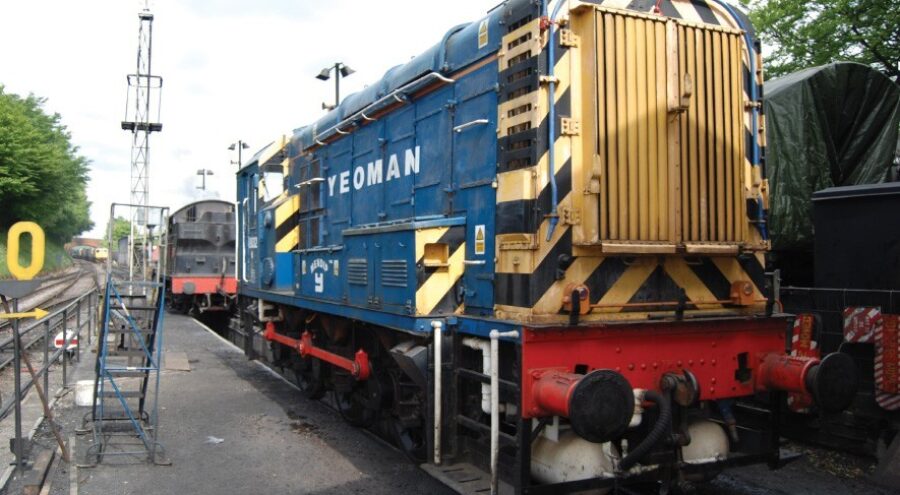
12049 – Class 11 Shunter

Status: Operational. The Class 11 shunter as it became classified by British Railways, was the forerunner of the standard BR shunting engine (the Class 08). 106 class 11’s were built between 1945 and 1952, by the LMS and latterly British Railways, and they differ slightly from the Class 08 in that they have smaller wheels 48 1/2″ in diameter (08 = 54”), and also other minor differences. Built to replace ageing tank engines on yard shunting duties or local loose coupled goods trains the class 11’s were never equipped with vacuum train brakes. Their inability to operate fully fitted trains and their

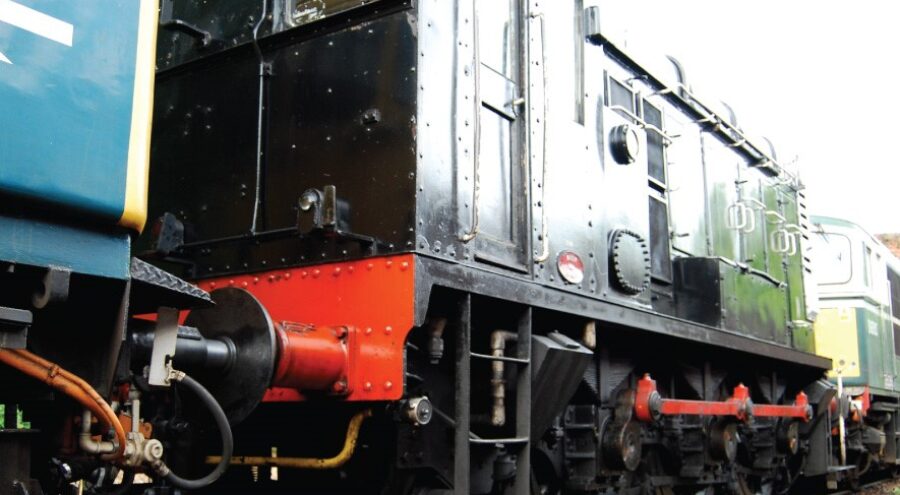
08032 – Class 08 Shunter

Status: Out of Service. The British Rail Class 08 is a class of diesel-electric shunting locomotive. From 1953 to 1962, 996 locomotives were produced, making it the most numerous of all British locomotive classes. As the standard general-purpose diesel shunter on BR, almost any duty requiring shunting would involve a Class 08. The class became a familiar sight at many major stations and freight yards; however, since their introduction, the nature of rail traffic in Britain has changed considerably. Freight trains are now mostly fixed rakes of wagons, and passenger trains are mostly multiple units; neither requiring the attention of a shunting locomotive. Consequently

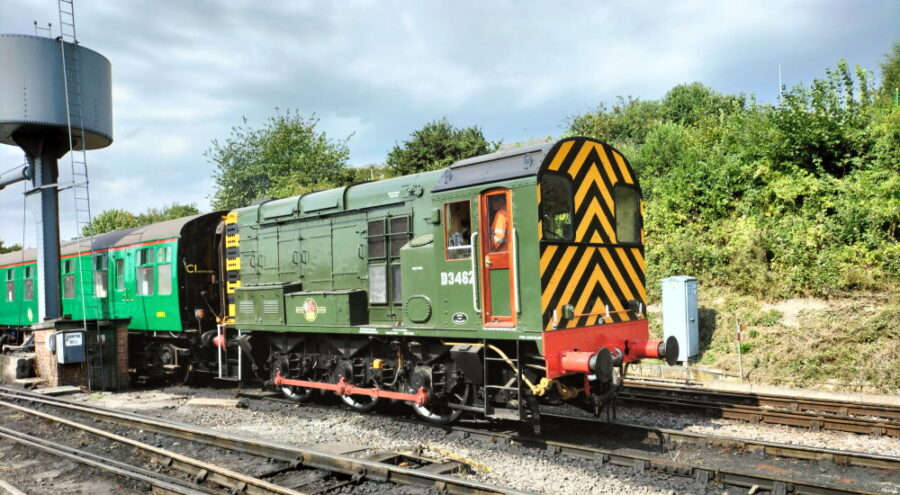
D3462 (08377) – Class 08 Shunter

Status: Operational. The British Rail Class 08 is a class of diesel-electric shunting locomotive. From 1953 to 1962, 996 locomotives were produced, making it the most numerous of all British locomotive classes. As the standard general-purpose diesel shunter on BR, almost any duty requiring shunting would involve a Class 08. The class became a familiar sight at many major stations and freight yards; however, since their introduction, the nature of rail traffic in Britain has changed considerably. Freight trains are now mostly fixed rakes of wagons, and passenger trains are mostly multiple units; neither requiring the attention of a shunting locomotive. Consequently

08288 – Class 08 Shunter

Status: Operational. Diesel History: To separate the locomotive fleets British Railways adopted a “D” prefix to its diesel locomotives from 1957. When this locomotive was out shopped from Derby Works in June 1957 it became the first locomotive to carry a “D” number and became D3358. D3358 was transferred to the Western Region fleet and was first allocated to Llanelli shed then to Neath. After a further period at Llanelli, D3358 was transferred to Landore in April 1964, then to Cardiff in September 1967, and then to Swindon in May 1969. Under the TOPS scheme in the mid 1970’s D3358 became 08288,

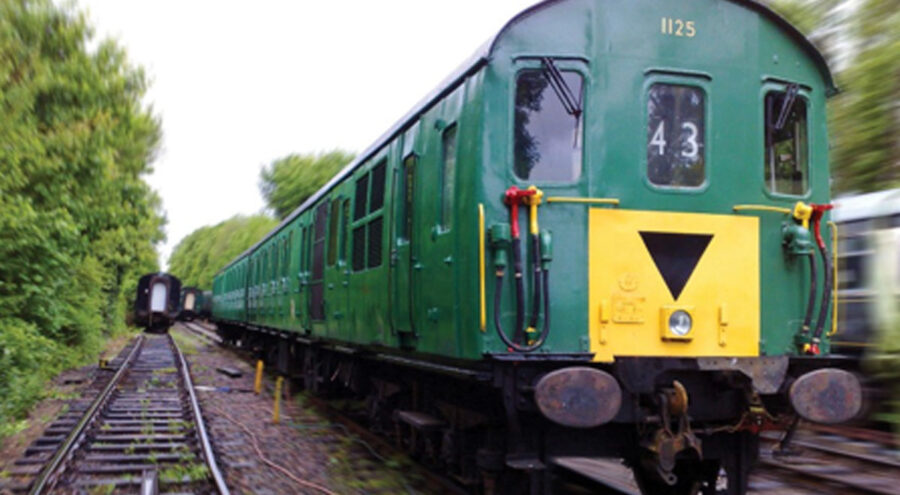
1125 – Class 205 DEMU Hampshire Unit ‘Thumper’

The Hampshire Units were one of several classes of Diesel Electric Multiple Unit (DEMU) built by the Southern Region of British Railways. The Hampshire Units were designated as Class 205 under the Total Operations Processing System (TOPS). The Hampshire Units were built in three batches (although technically the last batch were Berkshire Units with smaller destination blind windows and a larger Guards van). The units were based on the 2HAP Electric Multiple Unit (EMU) that were being built at the same time. The DEMU’s were built at Eastleigh although the frames were constructed at Ashford. They were powered by a