


On the 19th March 35005 Canadian Pacific made her triumphant return to the rails after the completion of a 14 year restoration project. From the 20th – 23rd March she hauled her first public trains since 2008, a truly incredible moment and a testament to the hard work and dedication of the team involved in her restoration throughout the project.
As part of this National Lottery Heritage Funded project, a great deal of research went into the history behind the locomotive. One of these areas was finding out more about the people behind the locomotive and the women who helped to build this iconic wartime locomotive. You can find out more about the origins of this project in our previous blog post about it here.
During WW2 as many men enlisted in the military women needed to fill their roles at home, this began at the start of the war, but we can see it really picked up from the summer of 1940 onwards. Our previous Project Supervisor, Dr Becky Peacock, found that Eastleigh Works was quite different to other railway works around the country as many of the women employed there took up the roles of their male family members. The idea behind this was that it was considered more likely the female employees would readily give their jobs back to their male family members when they returned without too much trouble and it gave them employment safe at home. Around 1500 women were employed at Eastleigh Works during the time that Canadian Pacific was built.
We were lucky enough to be able to copy the pages of the Eastleigh Appointments Book at the Hampshire Records Office, showing everyone who was employed at the works during the war from 1938 onwards and their roles. Women were employed across many departments including the sawmill, fitting, finishing, paint shop and more and were employed as labourers and clerks. They would have been involved in all manner of things such as creating parts for the locomotives, ordering items, erecting and painting. There were some protected roles and areas in the works such as the boilershop which was only reserved for men. Steve Wilson, one of our volunteers on the project knew that his mother was one of the women employed at the works during that time, she was a machinist working on the capstan lathe and would have created studs and things that could possibly still be in Canadian Pacific today.
We asked last year for the public to come forward with information about their family members who were employed at the works during this time. I found when researching this project that for the most part the employees of the works during that time didn’t talk about their work there. There are likely a few reasons for this, but railway works were under the secrets act to stop the sharing of information that could jeopardise national security, so naturally talking about their work was not something that had ever been encouraged.
To find out more information myself I used the Eastleigh Appointments Book which gave us the names and birthdates of the employees and used Ancestry to research them. This was a big project which took a lot of time to gather information to ensure I was onto the right person. I found that the majority of women working there had male relatives also employed at the works, or within the railway industry, usually husbands or fathers, this did make it a little easier to gather information for these women. I also found some surnames were very common throughout the employment records; Gaiger, Ives, Gardner and Musselwhite to name a few.
I was able to find a number of interesting stories about these women. One of the first stories I managed to find was for Mrs Nora Gaiger, in the 1939 census her husband Leslie Eric Gaiger was a railway clerk at Eastleigh works, he was also listed as a first aider for the ARP wardens. Mr Gaiger was sadly killed when the carriage works were bombed by the Luftwaffe in 1941, after which Mrs Gaiger began her employment in the same role at Eastleigh works less than 3 months later. I also found two sisters, maiden name Kipp, who joined the works on the same day, they both became labourers in the paint shop. The elder sister Mrs Alice Rose was married to a printer while the younger sister Mrs Dora Gibbs was married to a general labourer at the works. There was a clear theme that most of the women working there had some kind of familial link to the works or railways in general.
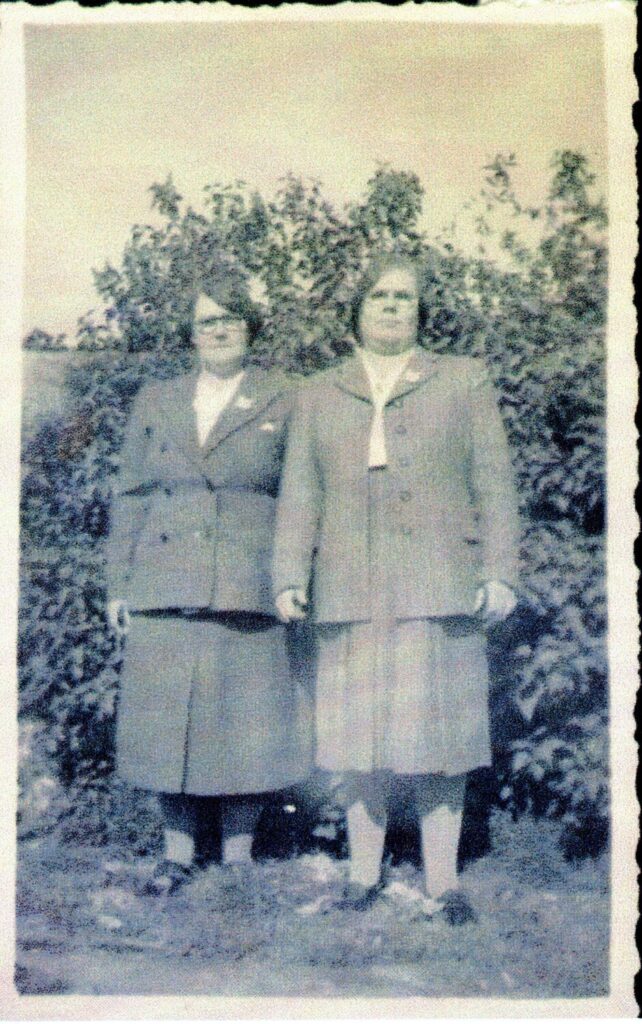
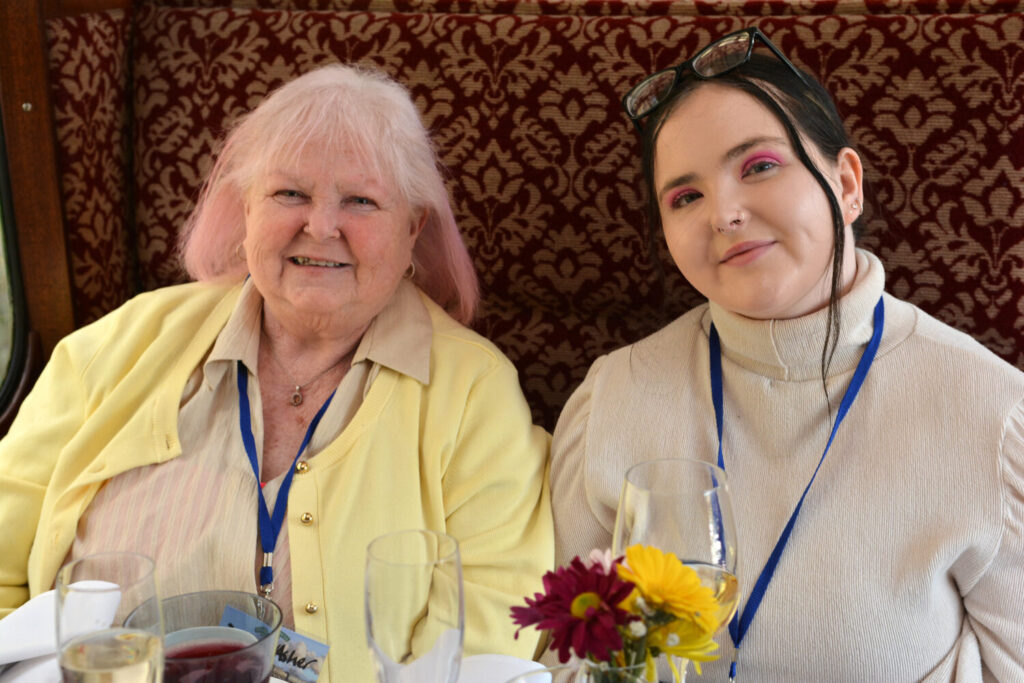
Once I was sure I had the right person by going through their census information and marriage records, I was able to check whether they were linked to any family trees on Ancestry, if they were I would then contact the owners of those trees. Most of the people I contacted were distant relatives who couldn’t provide any more information, or didn’t respond at all, so it was really exciting to find a family who were happy to get involved! We were delighted for Debra Asher and her sisters Blanche Chaisty and Pat Appleby to come along with Debra’s daughter Molly Asher. Debra and her sisters are the daughters of Mary Martha Long who worked as a labourer in the sawmill, her mother Margaret Long was also employed at the works as a labourer in the finishing department. It was brilliant to find two stories of female relatives who worked at Eastleigh works and really demonstrates the idea of the railway family. They hadn’t been told much about their mother’s or grandmother’s time at the works other than they did factory work during the war, Pat had been told that her mother wanted to join the Land Army but was told she was too short so settled for factory work. It was really special to be able to show the family the fruits of their relative’s labours and for them to find out more about their family’s past. Debra she said she was really proud of her mum and grandmother and was incredibly excited to be invited to the event and see Canadian Pacific in action.
We would still love to hear about any stories of Canadian Pacific during her operational years and at the Eastleigh Works during the early 1940s, if you have any information please do get in touch! You can email us at campaigns@watercressline.co.uk.

Izzy Highmore

